Can You Lease a Car for Rideshare
Yes, you can lease a car to drive for a rideshare app, but your lease contract and your insurance both need a second look before you commit.
The lease allows it, but the fine print decides the rest
Most leasing companies don't ban rideshare driving outright, but many leases include mileage caps and wear expectations written for someone commuting, not someone on the road most of the day. You can go over those limits, but you'll pay for it at lease end, and that cost can erase a good chunk of what you earned driving.
The bigger issue is insurance, not the lease. When you lease a car, the leasing company usually requires you to carry a personal auto policy that meets certain coverage minimums, and they stay listed as an interested party on that policy. Your rideshare app's insurance only applies during specific periods, like when you're waiting for a request or on an active trip, and it doesn't replace the personal coverage your lease requires you to maintain.
Some insurers will cancel or refuse to renew a personal policy once they learn you're driving commercially, lease or not. This varies a lot by insurer and by state, so you need to ask your insurer directly whether rideshare driving is allowed under your policy, and whether you need an added endorsement to keep it valid. Don't assume silence means permission.
The leasing company mostly cares that the car is insured and returned in good shape. Your insurer cares about what you're using the car for. Treat these as two separate approvals you need, not one.
Will leasing a car cost more than buying one for rideshare driving?
It depends on your mileage and how long you plan to drive. Leases work best for predictable, lower mileage use, and rideshare driving is often the opposite of that. If you're putting on significant miles every week, you're likely to exceed the lease's mileage allowance, and the per-mile overage charges at lease end can add up fast.
Buying, especially a used car, avoids that mileage math entirely, but it means you're responsible for repairs and depreciation yourself. If you're driving part time with a predictable schedule, a lease can work fine. If you're driving full time or your hours vary a lot, run the numbers on expected mileage before you sign anything.

Whether you tell your insurer you're leasing to drive rideshare
If you do
Your insurer confirms what coverage applies and whether you need an endorsement. You might pay more, but you know your policy actually works if something happens. The leasing company's requirement stays satisfied, and you're not guessing during a claim about whether you're covered.
If you don't
Your insurer may not find out until you file a claim, and that's the worst time to learn your policy doesn't cover commercial driving. They can deny the claim, cancel your policy, and the leasing company can still hold you responsible for the car. You'd be covering damage costs alone.
Once you know what your lease requires and what your insurer needs, compare rideshare-friendly quotes.
What to confirm before you sign a lease for rideshare driving
- Mileage allowance Rideshare driving racks up miles fast. Estimate your weekly driving and compare it to the lease's yearly limit before you sign, not after.
- Insurer's rideshare stance Ask your insurer directly if rideshare driving is allowed and what endorsement you need. Don't assume your personal policy already covers it.
- Lease company's rules Some leasing companies restrict commercial use in the contract language. Read that section or ask directly instead of guessing.
- Wear and return condition Rideshare driving means more wear than average commuting. Budget for possible charges at lease end if the car shows extra wear.
- Coverage gap while waiting Your rideshare app's insurance may not fully cover you while waiting for a request. Check what your endorsement adds for that specific gap.
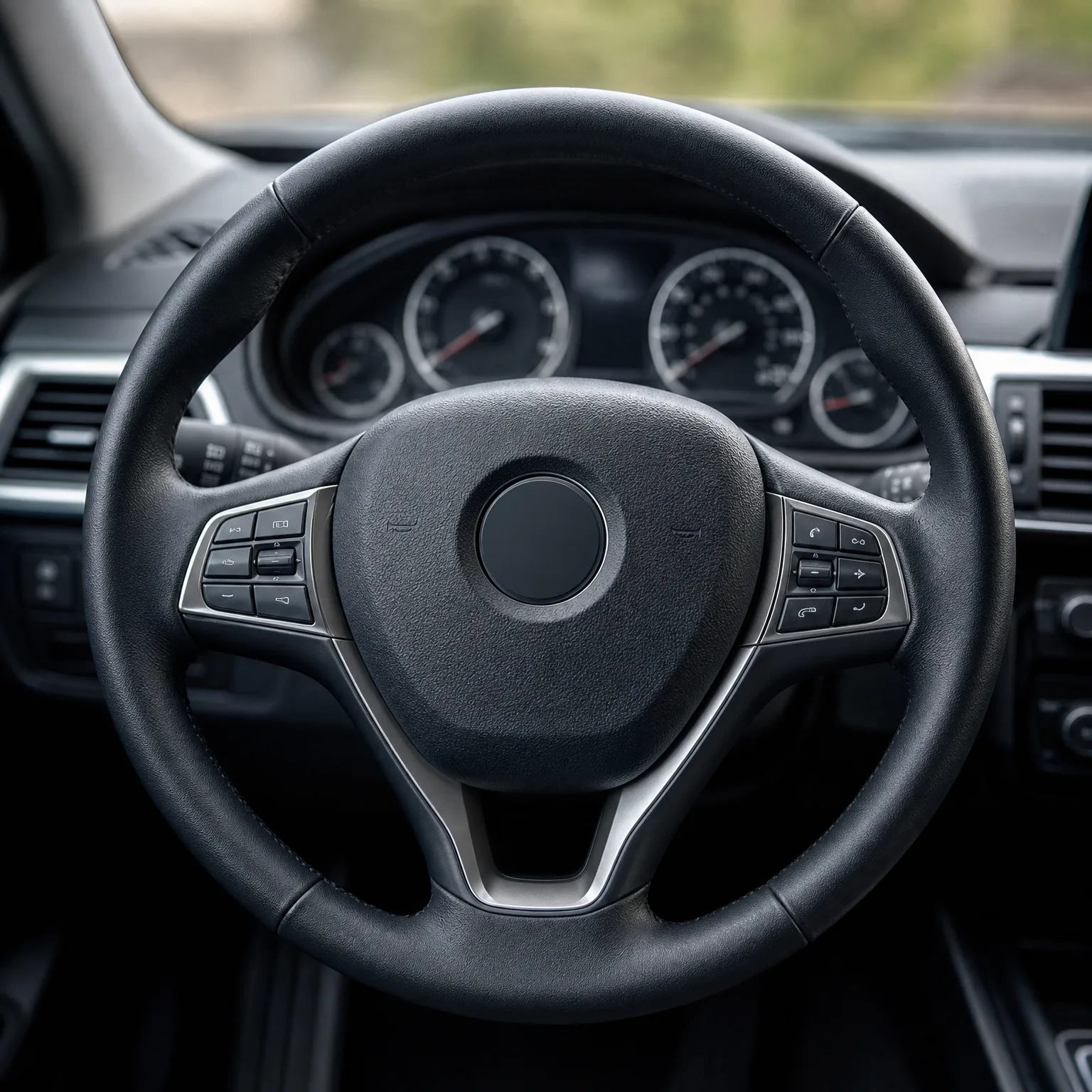
A driver who leased without checking the insurer first
A driver leased a car thinking the rideshare app's coverage would handle everything once they turned the app on. They kept their personal policy as is, without mentioning rideshare driving to their insurer, since the lease only required proof of personal insurance to start.
A few months in, they were in a minor accident while waiting for a ride request, a period where the app's coverage was limited. When they filed a claim, their insurer discovered the commercial use and denied it, citing an unapproved use of the vehicle. The driver had to pay for repairs out of pocket, and the leasing company still expected the car returned in good condition, lease terms unchanged. They later switched to a policy with a rideshare endorsement, but the first repair bill came entirely from their own pocket.