Commercial vs Personal Policies for Drivers
You likely don't need a commercial policy, but your personal policy alone won't cover rideshare driving either.
Personal, commercial, and rideshare coverage all do different jobs
A personal auto policy is priced and written around driving that isn't for hire. The moment you turn on a rideshare app, you're using your car for commercial purposes, even before you have a passenger. Most personal insurers exclude that activity entirely, which means a gap can open up long before anyone expects it, specifically in the window when the app is on but you haven't accepted a request yet.
A true commercial auto policy is built for businesses that own fleets or use vehicles constantly for work, like delivery companies or contractors. It's priced for that level of risk and use, which is usually far more than a rideshare driver needs and far more than most rideshare drivers can justify paying for.
The middle option, a rideshare endorsement added to your personal policy, exists because insurers recognized this gap. It extends your personal coverage to include the periods when the app is on, waiting for a request, and it works alongside the coverage the app itself provides once you accept a ride. The two are designed to hand off to each other, not duplicate each other.
Where this gets inconsistent is in what insurers require and what states allow. Some insurers won't write an endorsement at all and expect you to rely solely on the app's coverage, which can leave you exposed during the waiting period. Others cancel personal policies outright if they discover undisclosed rideshare use. Check directly with your insurer what they require, because silence here is the actual risk, not any one policy type being wrong for you.
What happens if my insurer finds out I drive rideshare without telling them?
They can cancel your policy or deny a claim tied to rideshare use, even if the accident happened while you were driving for personal reasons. Insurers check claims history and sometimes cross-reference rideshare company data, so this isn't a small risk to carry quietly.
The safer move is to tell your insurer before an incident forces the issue. Most insurers that offer a rideshare endorsement are not trying to push you away, they're trying to price the real risk accurately. If your current insurer won't accommodate rideshare driving at all, that's useful information too, because it means you need a different insurer, not a different story to tell them.
Now that you know what each policy covers, compare quotes that include a rideshare endorsement built for how you drive.
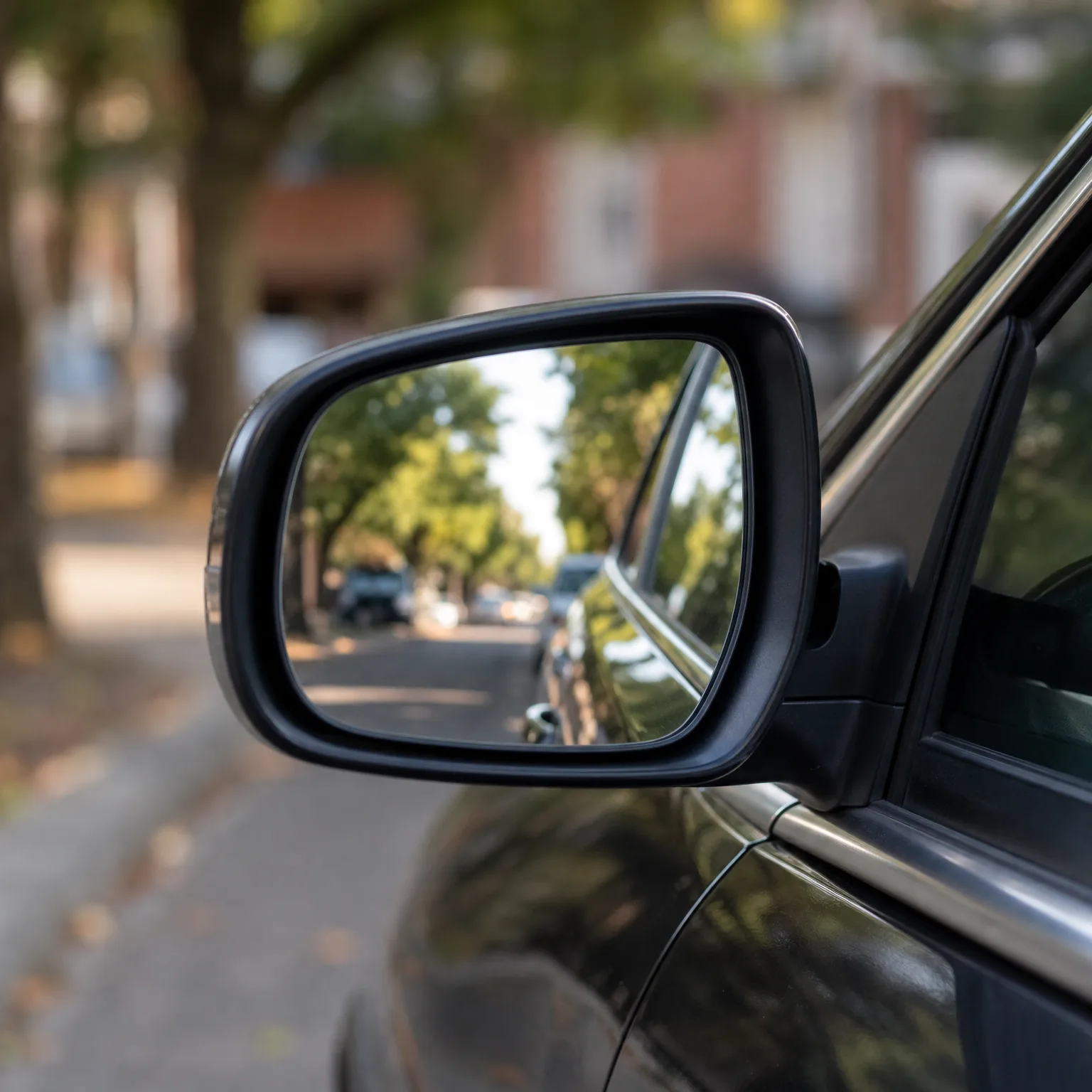
A driver who found out the gap was real only after a close call
A driver used their car a few evenings a week for rideshare income, alongside a personal policy that had no rideshare endorsement. One night, the app was on and they were waiting for a request when another car ran a light and hit them. They assumed their personal insurer would simply handle it, since no passenger was in the car yet.
Their insurer flagged the claim once the police report mentioned the rideshare app being active, and coverage was delayed while the insurer determined whether this fell under an exclusion. The app's own insurance ended up covering the period, since that portion of coverage applies when the app is on but no ride is accepted, but the driver spent weeks worried the claim would be denied entirely. Afterward, they called their insurer, disclosed the rideshare driving, and added an endorsement, closing the gap for good and removing the uncertainty the next time something happened.
The real risk is leaving the handoff between policies unconfirmed, not picking the wrong policy type.
Does the rideshare app's insurance cover me while I'm driving to pick up a passenger?
Yes, once you accept a request, the app's coverage generally applies through the pickup and the trip itself, usually at a higher level than the period spent merely waiting with the app on. The exact structure varies by app, so check what tier applies at each stage, accepted request versus passenger in the car. What changes the answer is whether your personal policy or endorsement is meant to fill the waiting period specifically, since that's the stage most often misunderstood.
Will adding a rideshare endorsement raise my personal insurance cost noticeably?
It typically costs less than a separate commercial policy, since it only extends your existing coverage rather than replacing it. The exact cost depends on your insurer, your driving history, and how often you disclose driving for the app. Check whether your insurer offers it at all, because not every insurer does, and that absence is what should actually change your decision, not the cost itself.
Can I use the same car for rideshare if I still owe money on it or lease it?
Yes, but check your loan or lease agreement first, since some lenders or leasing companies restrict commercial use of the vehicle. This isn't an insurance rule, it's a separate contractual one that can exist alongside your coverage question. If your agreement restricts commercial use, that changes whether you can drive rideshare in that car at all, regardless of what insurance you line up.