Does App Insurance Only Apply if Personal Insurance Denies
No, it's not a last resort, it runs alongside your personal policy in layers that change with what the app shows.

How the two policies actually split the work
- App off means personal only When the app is off, your personal policy is the only coverage you have. Nothing from the app applies at all during this time.
- Waiting for a request Once you go online and wait for a ride, the app's coverage typically steps in as a lower level of protection. Check your app's policy summary for what this period actually includes, since it varies.
- En route with a passenger Once you accept a trip or have a passenger, the app's coverage is usually at its strongest. This is the period where most of the protection you're counting on actually applies.
- Personal policy may still react Some personal insurers exclude rideshare driving entirely once they learn about it, even during periods the app covers you. Ask your insurer directly how they treat each driving period before you assume you're fine.
- An endorsement closes the gap A rideshare endorsement added to your personal policy can cover the period when the app is on but you have no request yet. Ask your agent whether this endorsement is available and what it costs before you skip it.
A driver waiting for a request gets rear-ended
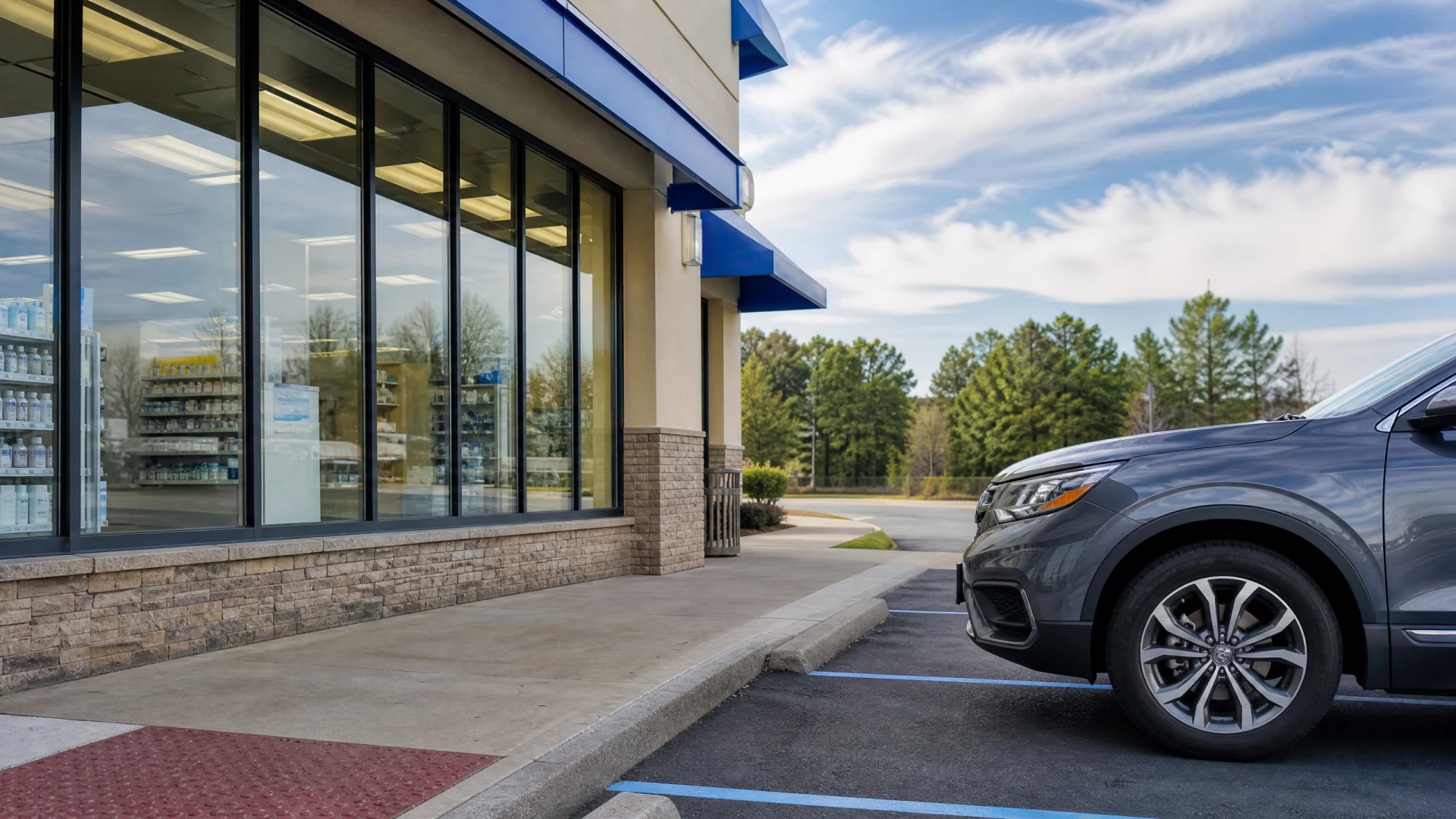
You're logged into the app, parked near a busy area, waiting for your next request. Another car backs into you in a parking lot. You weren't carrying a passenger and hadn't accepted a trip yet, so you're in that first, thinner coverage period. You call your personal insurer first, since that's your instinct, and they ask whether the app was on. You say yes, and they tell you this falls under the app's lower level of coverage, not your personal policy, because you were logged in for rideshare purposes.
You then call the app's claims line, and they confirm you're covered under their waiting period terms, though the coverage is lighter than what applies once a passenger is in the car. Because you'd also added a rideshare endorsement to your personal policy months earlier, that endorsement fills in the difference, covering costs the app's thinner period didn't reach. The claim gets resolved without you paying out of pocket for a gap you didn't know existed. Without that endorsement, you'd have been the one covering whatever fell between the two policies.
The real risk isn't which policy pays, it's the thin gap between them that stays open unless you close it.
Once you know which period you're usually driving in, compare quotes that include the right endorsement for it.
Why coverage is split into periods instead of one simple handoff
Insurance is built around risk, and your risk changes the moment you turn the app on. Before that, you're driving like anyone else. Once you're logged in and available for requests, you're a slightly different risk even with no passenger, because you're actively working. Once you accept a trip, the risk changes again, since now a stranger's safety and your liability both increase. Insurers price and structure coverage around these distinct periods because lumping them together would either overcharge you for personal driving or undercharge for commercial risk.
This is also why personal insurance isn't automatically the backup and app insurance isn't automatically secondary. They're built to apply to different moments, not to take turns covering the same moment. The confusion comes from assuming one steps in only when the other refuses, when really each one is written to answer for a specific period of your driving day.
Where this gets complicated is that personal insurers vary widely in how they react to you driving for an app at all. Some will maintain your policy as long as you have a rideshare endorsement. Others will cancel or refuse to renew if they learn you're driving commercially without one, regardless of which period an accident happened in. This isn't consistent across insurers, so you have to ask your specific company how they classify and respond to rideshare driving, since assuming it works like your neighbor's policy can leave you uninsured.
The deductible question works the same way. The app's coverage during the thinner waiting period often comes with a deductible that can be steep for a driver without savings set aside. An endorsement can lower or eliminate that exposure, but only if you've added one. None of this is universal, so the specific terms depend on your state and your insurer, and those are the two things worth confirming before you drive another shift.

What happens if I get into an accident and neither policy wants to pay?
This does happen, usually when there's a dispute over what period you were actually in when the accident occurred, like whether you'd already accepted a request or were still just logged in waiting. When insurers disagree about which period applies, you can end up stuck between them while they sort it out, even though coverage technically exists somewhere in the stack.
The way to protect yourself is documentation. Your app's trip history shows exactly when you went online, when you accepted a request, and when a passenger was in the car, and this timestamped record is usually the deciding factor in these disputes. Keep your own notes too, including what the app screen showed at the moment of the accident. If a dispute drags on, ask both insurers in writing what period they believe applied and why, since getting their reasoning in writing speeds up resolution and gives you something concrete if you need to escalate the claim.