Does Comprehensive Coverage Have a Deductible
Yes, comprehensive coverage has a deductible, an amount you pay before your personal or rideshare policy covers the rest.

What your comprehensive deductible actually does
- It applies before payout Your insurer subtracts your deductible from the claim total before cutting a check. Check your declarations page to see the exact amount you chose.
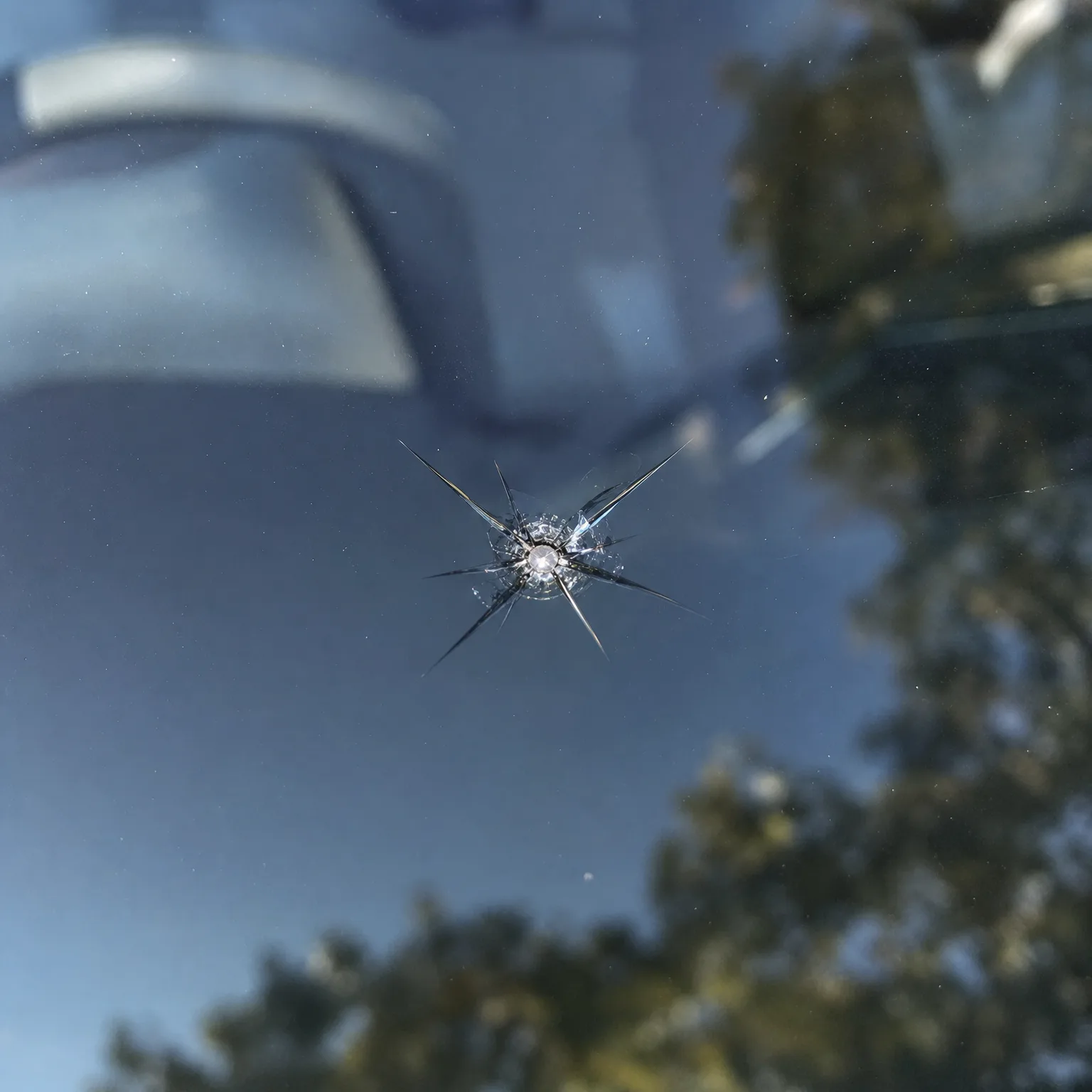
- It covers non-collision damage Comprehensive handles things like theft, vandalism, fire, or a cracked windshield, not crashes. Know this distinction so you file the claim under the right coverage.
- The app's coverage may differ When the app is on and you're waiting for a request, a different deductible from the platform's contingent coverage might apply instead. Check your app's driver agreement for that number.
- Your choice affects your premium A higher deductible usually means a lower monthly cost, and a lower deductible means a higher one. Pick a number you could actually pay today if your windshield cracked tomorrow.
- Two deductibles can apply If you carry a rideshare endorsement, your personal comprehensive deductible and the endorsement's deductible aren't always the same figure. Call your insurer and ask which one applies during each driving period.
Which deductible applies if damage happens while I'm waiting for a ride request?
It depends on whether you have a rideshare endorsement and what the app's own contingent coverage says for that period. Many personal policies exclude coverage entirely once the app is on, even before you accept a trip, which is exactly the gap endorsements are built to close.
If you have an endorsement, check its paperwork for the deductible that applies during this waiting period specifically, since it isn't always identical to your regular comprehensive deductible. If you don't have one, the app's contingent coverage may apply, but it often comes with a separate, sometimes higher, deductible and may not kick in for comprehensive-type damage at all. Call your insurer and ask them to walk through each driving phase with you so you know exactly what applies when.
The deductible that applies depends on which phase of driving you're in, not just which policy you own.
Now that you know how your deductible works across personal and rideshare coverage, compare quotes that close the gap.

Should you add a rideshare endorsement to your policy
If you do
Your comprehensive and collision coverage follows you through every phase of driving for the app, including while waiting for a request. You'll know your deductible ahead of time instead of guessing which policy applies after something happens. Your insurer knows you drive for the app, so they can't cancel you for undisclosed commercial use.
If you don't
You're relying on the app's contingent coverage to fill gaps, and it may not cover comprehensive-type damage during waiting periods at all. If your insurer later finds out you drive for the app without telling them, they could deny a claim or drop your policy. You could end up paying the full repair cost yourself.

A cracked windshield while waiting for a fare
A driver was parked with the app on, waiting for a request, when a rock from a passing truck cracked their windshield. No passenger was in the car and no other vehicle was involved, so it fell under comprehensive, not collision. They weren't sure whether to file with their personal insurer or through the app's coverage, since the app was on but no trip had started.
They checked their rideshare endorsement paperwork first and found it specified a deductible for exactly this waiting period, lower than the app's own contingent deductible would have been. They filed with their personal insurer, paid that deductible, and had the windshield replaced within the week. Because they'd added the endorsement months earlier, there was no argument about which coverage applied. They knew the number before the damage happened, not after.