
Is a 1500 Deductible Too High
A 1500 deductible is too high only if you couldn't pay it tomorrow without real strain.
The right deductible matches what you can pay, not your premium
A deductible is the amount you pay before your collision or comprehensive coverage pays the rest. Insurers let you pick a higher deductible because it lowers your premium, but that only helps you if you can actually cover that amount after a crash. For a rideshare driver, this matters more than usual because you're on the road more, often in traffic, often distracted by navigation and pickups, which raises your odds of needing that coverage sooner rather than later.
The question isn't whether 1500 is a common number, it is common, but whether it fits your situation. If you have that amount sitting in savings untouched, a higher deductible is a reasonable trade for a lower monthly bill. If covering it would mean skipping rent or pulling from money you need for gas and maintenance, it's too high for you specifically, even if your neighbor handles the same number easily.
Rideshare driving adds a layer here because your personal policy and the app's coverage don't always apply at the same time, and when the app's coverage does kick in, it may carry its own deductible, sometimes higher than what you'd choose on your own. That means you could face the deductible question twice, once under your personal policy during personal driving, and once under the app's coverage during a trip, so check which deductible applies when the app's period is active, since this varies by insurer and by which period of the ride you were in.
State rules on minimum coverage and how rideshare periods are defined also vary, so what counts as a small or large deductible in one state might work differently in another. Check your state's rules and your policy's rideshare endorsement language before deciding, rather than going by what sounds standard.
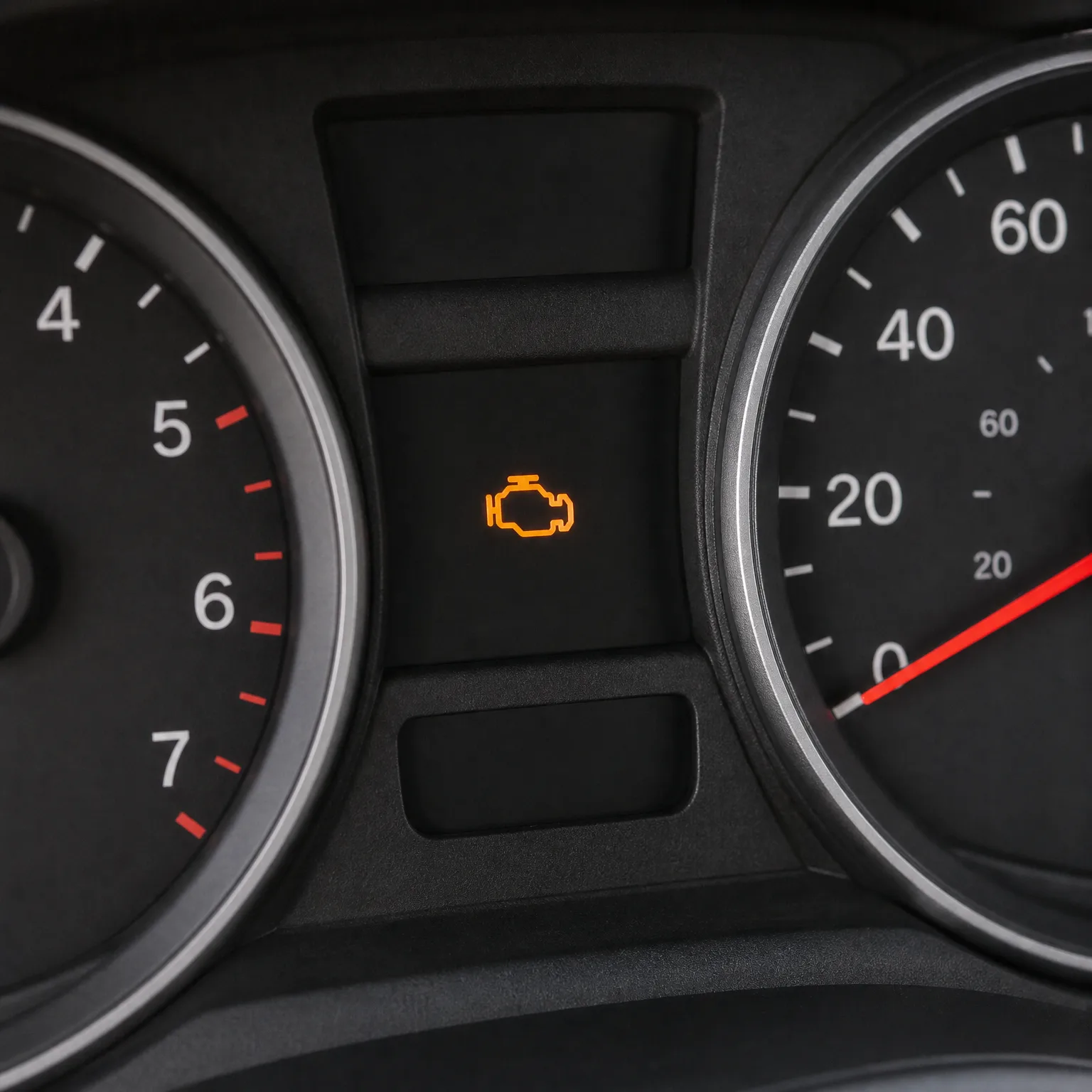
How to tell if 1500 fits your situation
- Check your savings cushion If you couldn't pay 1500 out of pocket within a few days, it's too high for you right now. Look at what you actually have set aside, not what you expect to save.
- Compare the premium savings Ask what a 1500 deductible actually saves you per month versus a lower one. If the gap is small, the lower deductible may be worth the extra cost for the peace of mind.
- Factor in rideshare hours More time driving for the app means more exposure to accidents, raising the odds you'll face that deductible. If you drive many hours a week, weigh that risk more heavily.
- Know which deductible applies Your personal policy and the app's coverage may each carry a different deductible depending on the ride period. Ask your insurer which one applies during an active trip.
- Reassess as driving changes A deductible that fit when you drove occasionally may not fit once rideshare becomes your main income. Reassess whenever your hours or your savings change significantly.

The deductible that matters is the one you can pay without borrowing, not the one that looks cheapest.
Once you know what deductible you can actually afford, compare quotes at that level to see what you'd really pay.

Choosing a 1500 deductible over a lower one
If you do
Your monthly premium drops, often noticeably, freeing up cash for gas, maintenance, or savings. But after an accident, you owe 1500 before coverage pays the rest. If that amount isn't sitting ready, you may delay repairs or take on debt right when you need your car for income.
If you don't
You pay more each month for a lower deductible, which cuts into rideshare earnings now. But after an accident you owe less upfront, so getting your car fixed and back on the road happens faster. For a driver relying on the car for income, that speed can matter more than the monthly savings.
A driver weighing the deductible against a thin savings account
A driver who used a rideshare app part time on weekends was quoted a lower premium with a 1500 deductible versus a higher premium with a smaller deductible. The monthly difference was real money, enough to notice, so the lower premium was tempting. But when they checked their savings, they had barely enough to cover a smaller emergency, let alone 1500 on short notice.
They asked their insurer what deductible applied during an active trip versus between trips, and learned the app's coverage during an active ride carried its own separate deductible, higher than either option they were comparing personally. That changed the picture, since they realized they could face two different deductible amounts depending on when an accident happened. They chose the lower personal deductible, reasoning that keeping cash flexible mattered more than shaving a bit off the monthly bill, especially once they saw how exposed they already were during active trips. A few months later a minor collision during a personal errand, not a ride, confirmed it was the right call, since they paid the lower amount without touching their emergency fund.