Is Rideshare Gap Protection Worth It
Yes, it's worth it if you drive with the app on, because that's exactly when your personal policy can refuse to pay.
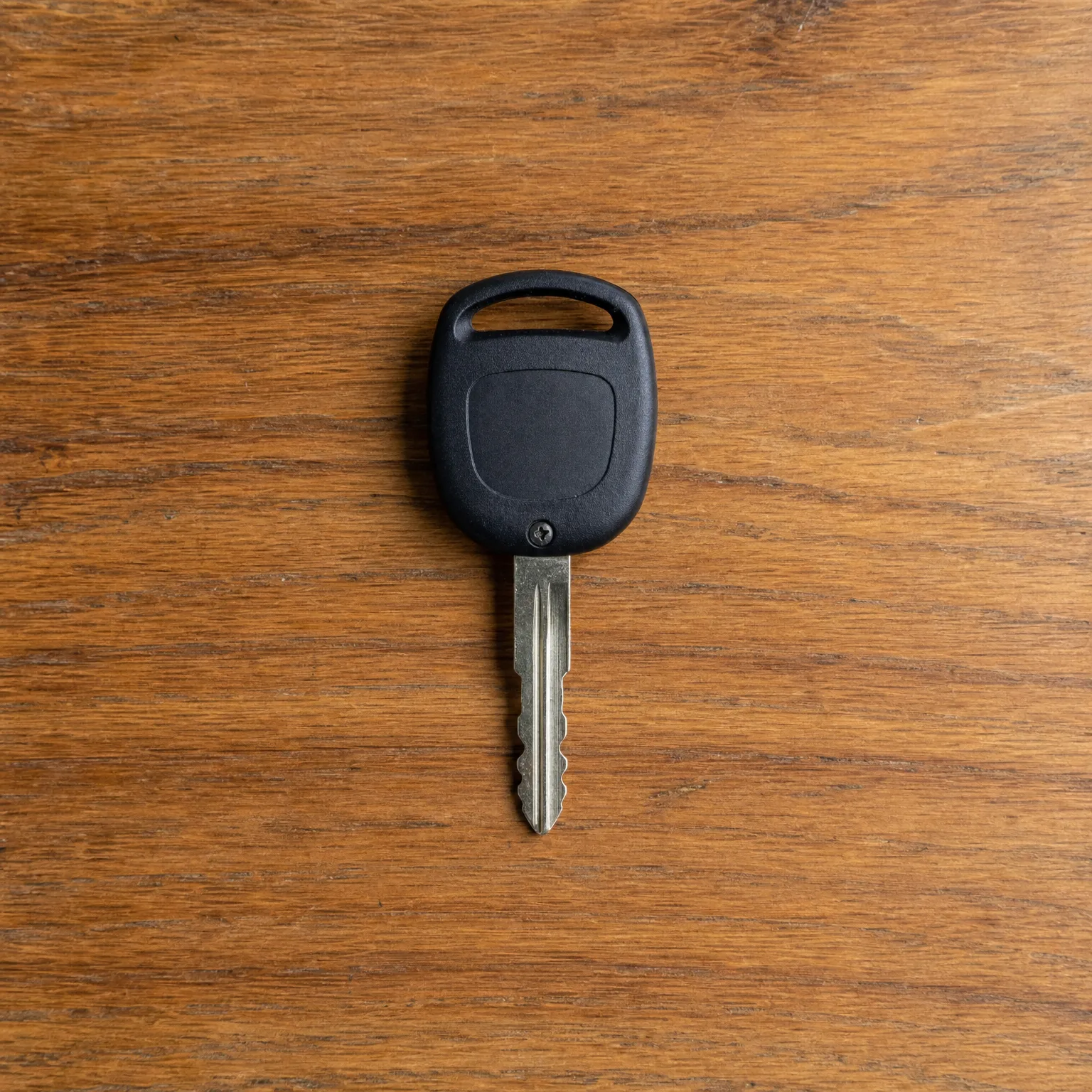
Waiting for a request when another driver hit her
A driver had the app open and was parked near a shopping center, waiting for a request to come in. Another car backed into her while she sat there. She hadn't picked up anyone yet and had no passenger in the car, so she assumed her own insurance would simply handle it the way it always had.
Her insurer asked whether the app was on at the time of the crash. When she said yes, they pointed to the line in her policy that excludes driving done for hire, and app-on counts even without a passenger. The rideshare company's coverage during that waiting period was thin and came with a deductible higher than she could pay comfortably. Because she'd added an endorsement built for this exact period months earlier, her own insurer stayed in and covered the repair with a deductible she could handle. Without it, she would have been stuck between two policies, each one pointing at the other.
The short version
It's worth it because the period when the app is on but you have no passenger is where ordinary personal policies refuse to pay and the app's own coverage is weakest. The fix is an endorsement added to your personal policy that covers that exact window. Check with your insurer whether they offer it and whether your state allows it.
What happens if I get into an accident with a passenger in the car?
Once you have a passenger, or you're on your way to pick one up after accepting a request, the rideshare company's own commercial coverage is active and much stronger. This is the period they're built to handle, and it typically includes higher coverage limits meant to protect both you and the passenger.
Your personal insurer will usually still decline to pay, because the trip counts as commercial driving no matter who's coverage is backing it up. The endorsement you add to your personal policy is mainly for the gap before a passenger is involved, not this stage. Confirm with the app what their coverage includes during an active trip and keep that documentation where you can find it after any accident.
Now that you know where the gap sits, compare quotes that include the endorsement built to close it.
Why the gap exists in the first place
Personal auto insurance is priced and written for personal use. The moment you start using your car to earn money by carrying passengers, you've changed what the car is being used for, and most personal policies have a clause that excludes commercial activity. Insurers don't always enforce this the same way, but the clause is there, and claims adjusters look for it specifically when they know rideshare apps are involved.
The rideshare company knows this, so they provide their own coverage, but they scale it to match the risk at each stage. When you have no app open, you're just driving your own car and your personal policy is all you have. When the app is on and you're waiting, you've told the system you're available for work, but there's no passenger yet, so the company's coverage during this stage is limited and often carries a deductible. Once you accept a ride and have a passenger or are en route to one, their coverage is at its strongest.
The endorsement exists specifically for that middle stage, the waiting period, because that's where personal insurers exclude you and the app covers you only thinly. Adding it tells your own insurer that you drive for an app, and in exchange they agree not to deny a claim from that period the way they otherwise would.
This varies by state and by insurer. Some states don't allow insurers to sell this kind of endorsement, and some insurers don't offer it even where it's allowed. Check with your own insurer directly, and ask what the rideshare company's policy actually covers during the waiting period, since the details differ by company too.
The real risk isn't the passenger stage, it's the quiet waiting period with the app on and nobody in the car.