What Does App Only Insurance Mean
App only insurance means your rideshare app covers you solely while you're logged in and working, not the rest of your driving life.
What app only coverage actually leaves out
- The waiting period gap Many apps provide limited coverage while you wait for a request, less than once you're on a trip. Check your app's policy for that specific window and what it actually pays.
- Your personal policy may refuse Personal insurers often deny claims if they learn you were driving for pay. Call your insurer directly and ask how they handle rideshare use before you rely on them.
- The deductible you'd owe The app's coverage usually applies after a deductible you pay first. Find that number in your app's insurance summary and decide if you could cover it today.
- An endorsement fills the middle A rideshare endorsement from your personal insurer extends your own policy into the gap periods the app doesn't fully cover. Ask your insurer if they offer one and what it costs.
- Full time changes what you need If driving is your main income, a personal endorsement may not be enough and you might need a commercial or hybrid policy instead. Tell your insurer how many hours you drive so they can recommend the right fit.
Do I need a commercial policy or just an endorsement?
It depends on how much you drive and how your state treats rideshare work. For many part time drivers, a rideshare endorsement added to your personal policy is enough, because it's built specifically to fill the gap between your personal coverage and the app's coverage.
If driving is your main source of income, or you drive very high hours, some insurers will say an endorsement isn't sufficient and will steer you toward a commercial or hybrid rideshare policy instead. This is because heavier use increases the insurer's risk beyond what a personal policy was priced for.
The only way to know which one applies to you is to tell your insurer exactly how you drive, how many hours, and whether it's your main income or side income. They'll match you to what their state rules and underwriting allow.

Now you know where the gap sits, compare quotes for a rideshare endorsement or policy built for how you drive.

Whether you add a rideshare endorsement
If you do
Your personal insurer knows you drive for an app and extends your coverage into the gap periods. If you're in an accident while waiting for a request, you're not stuck relying only on the app's thinner coverage or facing a denied personal claim.
If you don't
Your insurer may not know you drive for pay, and if they find out after a claim, they can deny it entirely. You're left depending only on the app's coverage, which may have a higher deductible than you can pay out of pocket.
A driver waiting for a request gets hit
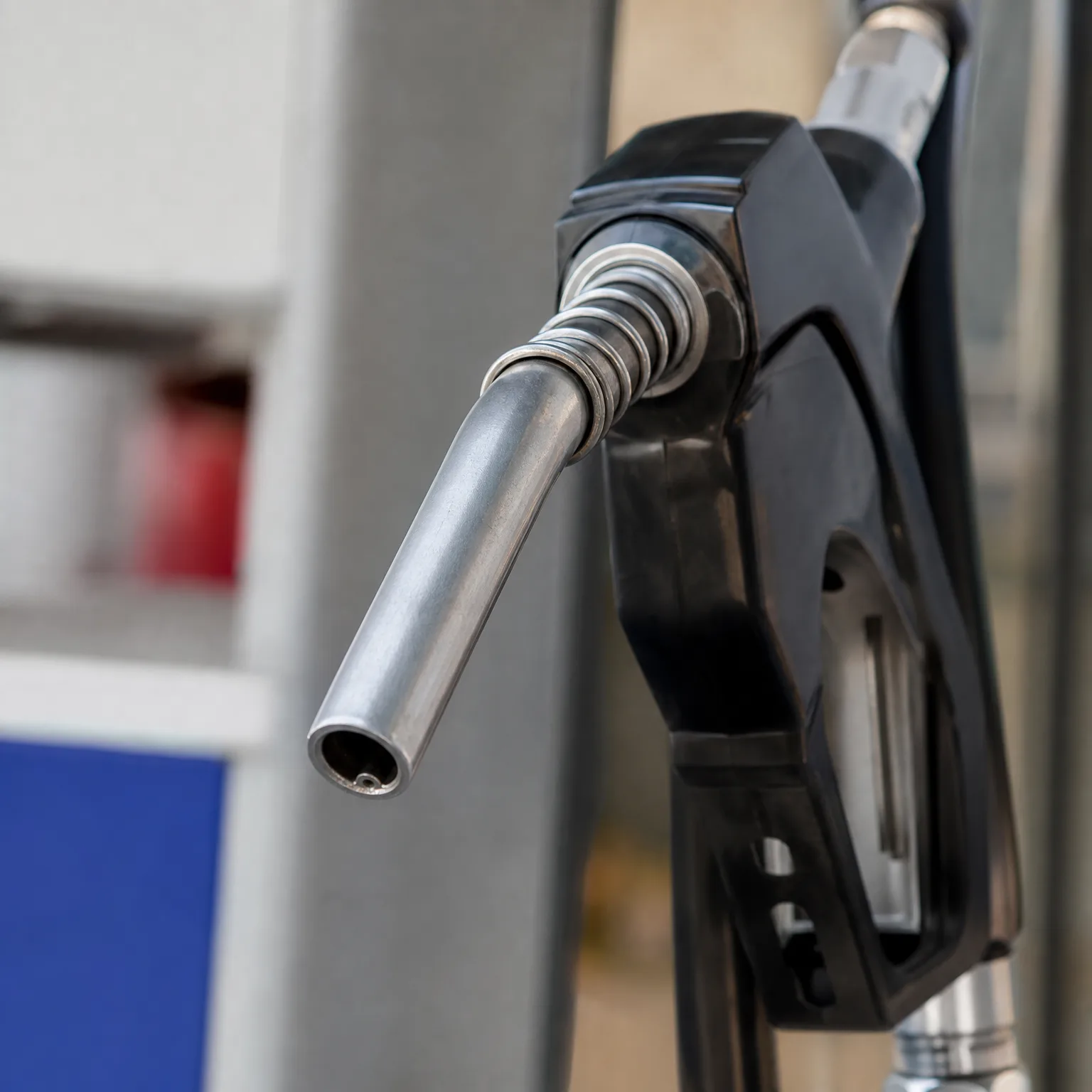
Say you're logged into the app, parked near a busy area, waiting for your next trip. Another car backs into you while you're waiting. At this moment, you're in the gap period, the app considers you logged in but not yet on a trip, so its coverage is limited. You call your personal insurer first, like you would for any accident, but they ask if you were driving for an app at the time.
If you'd added a rideshare endorsement earlier, this moment is simple. Your personal policy, now extended by the endorsement, covers the gap period and you pay your usual deductible, not a steeper commercial one. Without it, you're relying on the app's gap coverage alone, which might pay out but likely after a higher deductible, and your personal insurer may flag the incident and reconsider your policy going forward. The driver who called their insurer ahead of time, disclosed the rideshare work, and added the endorsement avoided both the denial risk and the bigger deductible. The one who didn't found out the gap was real only after the damage was already done.
Will my insurer cancel me for driving rideshare without telling them?
They can, if they discover undisclosed commercial use, especially after a claim. Insurers consider rideshare driving a change in risk, and not reporting it is treated as misrepresentation in many states. Call your insurer now, before anything happens, and ask directly how they want you to report it. Some will offer an endorsement on the spot. Others may require a different policy type. Either way, disclosing early almost always goes better than having it discovered during a claim, which is when cancellations and denials are most common.
Does the gap coverage apply if I have a passenger in the car?
No, once you have a passenger or are en route to pick one up, you're typically in a different coverage period with broader protection from the app, not the thinner waiting period coverage. Check your specific app's policy summary for how they define each period, since the exact triggers, like accepting a ride versus starting a trip, can vary. This distinction matters because it changes which policy pays first and how much you'd owe before coverage kicks in.
Can I use my own car for rideshare if I still owe money on it?
Usually yes, but check your auto loan agreement and your lender's rules first, since some lenders restrict commercial use of financed vehicles. Separately, confirm your rideshare app's vehicle requirements, since older or higher mileage cars sometimes don't qualify. Neither issue is about insurance directly, but both can affect whether you're covered or even eligible to drive, so it's worth confirming both before you rely on the car for income.