What Does Rideshare App Insurance Cover
The app's coverage switches on and off with your driving status, and your personal policy fills the gaps around it.
A driver waiting for a request gets rear-ended
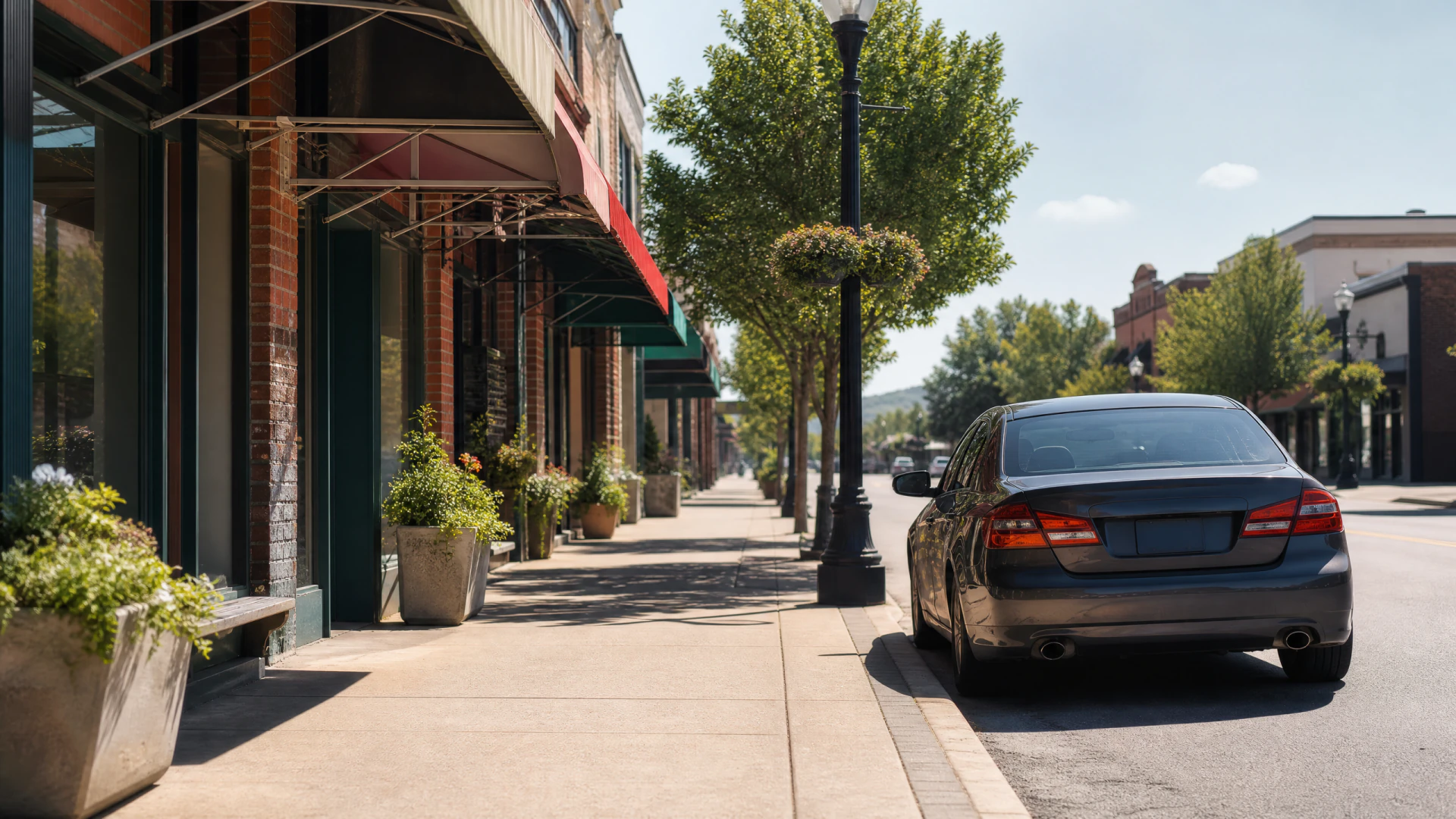
A driver had the app open and was waiting for a ride request when another car hit her from behind at a stoplight. She assumed the app's insurance would handle it the way it would if she had a passenger in the car, so she called the app's claims line first. She learned that the period before accepting a request carries lighter coverage than an active trip, and that her own insurer needed to be involved too, since the app's policy in that window only adds a limited layer on top of what she already carries.
She filed with her personal insurer first, then gave the app's insurance information as a backup. Because she had already added a rideshare endorsement months earlier, her personal policy didn't drop her and the claim moved forward without a fight over whether she was "working" at the time. The repair got covered, and the experience convinced her to keep that endorsement rather than drive without it. Her takeaway was that the moment of the accident mattered as much as the accident itself.
The short version
The app's insurance only fully applies once you accept a ride or have a passenger, and it's thinner while you're just waiting for a request. Your personal policy may not cover you at all during app-on periods unless you've added a rideshare endorsement. Get that endorsement before you drive, not after something happens.
Will my personal insurer drop me for driving rideshare?
They can, if you don't tell them and they find out through a claim. Many personal policies exclude commercial use entirely, and driving for an app counts even if it's just a few hours a week. Insurers don't always check upfront, but claims investigations often reveal app usage through trip history or witness statements.
The fix isn't to hide it. It's to add a rideshare endorsement or switch to a policy designed for drivers who do this kind of work. That keeps your personal insurer informed and on your side instead of looking for a reason to deny a claim later. Ask your insurer directly whether they offer this and what it costs, since not every company does, and the answer can depend on your state.
Once you know where your coverage gap sits, compare quotes for a policy or endorsement that closes it.

Why coverage changes depending on your status in the app
Insurance is built around risk, and your risk changes the moment you turn the app on. Before you accept a request, you're driving around available for work but not yet carrying a passenger, so the risk looks different than a personal errand but also different than an active trip. Insurers price and structure coverage around those distinct phases, which is why the protection shifts as your status in the app shifts.
The app's insurance is designed to cover the business side of the risk, the part tied to carrying passengers or actively working. It generally isn't built to replace your everyday personal coverage, things like comprehensive damage to your own car when you're not driving for the app at all. That's why both policies usually need to exist together, each covering a different slice of your situation.
Where this gets complicated is the waiting period, after you've opened the app but before you've accepted a ride. Many personal policies exclude this entirely because you're technically available for commercial work, and the app's coverage during this window is often lighter than once a trip starts. An endorsement exists specifically to fill this space, so you're not relying on a thin layer of coverage during the time you spend waiting.
State rules and insurer practices vary on exactly how these layers interact, so check with your own insurer about what they exclude and what an endorsement adds before you assume you're covered.

The real risk sits in the gap between the app switching on and your personal policy switching off.