
What Happens if My Insurance Deductible Is Too High
A deductible too high means you pay that amount before your insurer pays anything, so if you can't cover it, the coverage won't help you.

What a deductible too high actually costs you
- You pay first, not the insurer The deductible comes out of your pocket before any claim is paid. If you can't cover it, you may not be able to afford the repair at all.
- Apps don't cover your deductible The app's policy has its own separate deductible, often higher than a personal one. Check your app's current policy terms so you know what you'd owe after an accident with a passenger in the car.
- Lower deductible, higher premium Dropping your deductible raises what you pay every month. Weigh the monthly cost against what you could actually pay out of pocket after a crash.
- A high deductible stalls repairs If you can't pay your share, the shop won't start work and your car sits. For a driver who depends on the car for income, that delay costs real money.
- Savings can cover the gap Some drivers keep a higher deductible but set aside cash equal to it. That only works if you actually keep the money untouched and ready.
Can I change my deductible before filing a claim?
No. Once an accident happens, the deductible on your policy at that time is what applies. You cannot call your insurer after a crash and ask to lower it for that claim. Deductible changes only apply going forward, to future incidents, starting whenever the new policy term or endorsement takes effect.
This is why checking your deductible before you need it matters more than checking it after. If you're already driving for a rideshare app, look at both your personal policy's deductible and the deductible on the app's own insurance, since they are separate and may be different amounts. If either one is more than you could pay today, that's the one to fix now, not during a claim call.
Some insurers allow a one-time deductible adjustment with notice, but that's not universal. Ask your agent directly what your policy allows and how far in advance a change needs to happen.

Once you know what you can really afford to pay out of pocket, compare quotes at a deductible that fits your budget.
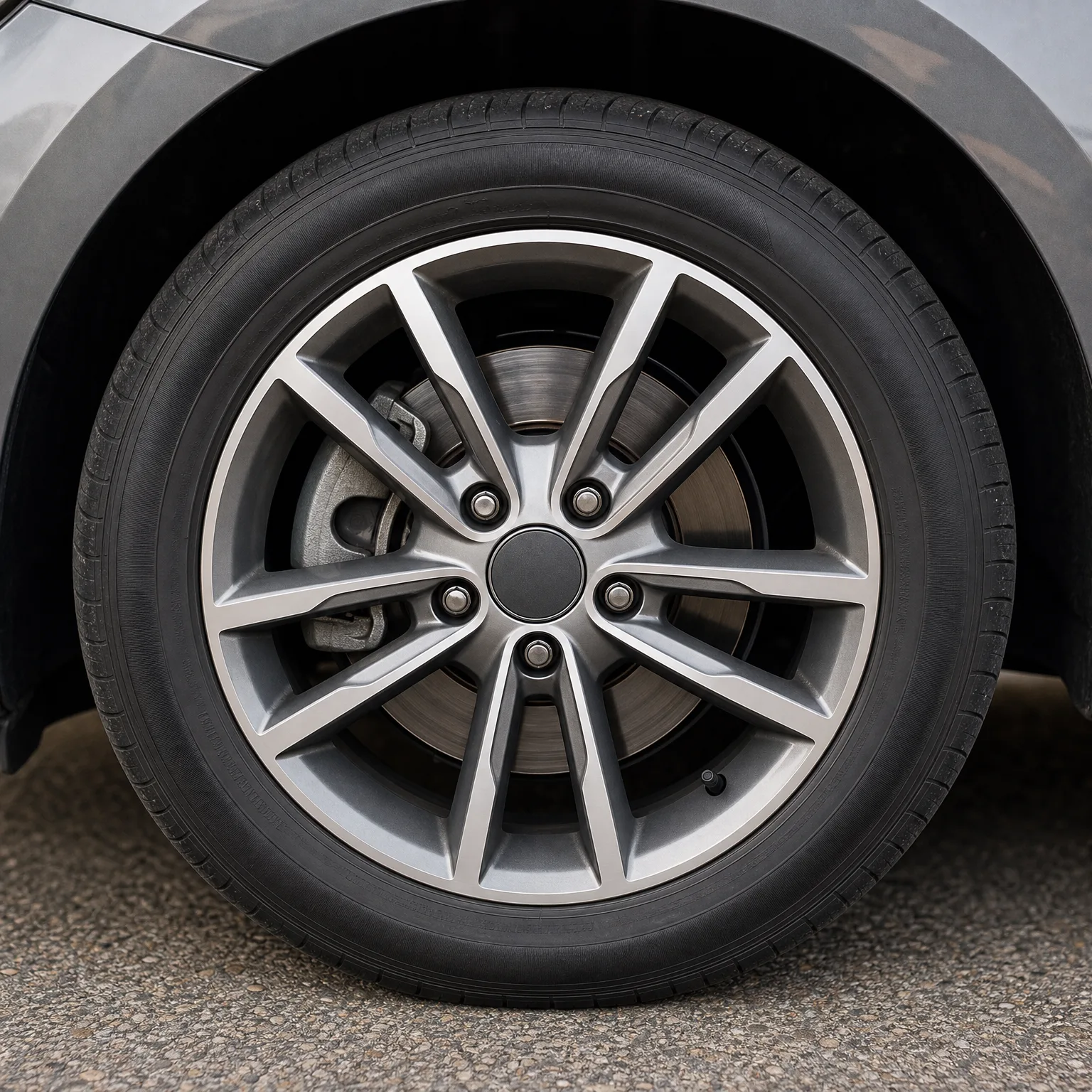
A driver realizes the deductible was never really affordable
A driver working rideshare part time on weekends had picked a high deductible years earlier to keep the monthly premium low, back when the car was older and the extra income mattered more. After a minor collision with a passenger in the car, the body shop estimate came back and the driver realized the deductible amount wasn't sitting in any account. It was higher than a week of rideshare earnings.
The driver called the insurer, confirmed the deductible applied in full since the accident happened while a ride was accepted, and asked about the rideshare endorsement they'd added the year before. The endorsement helped close the specific coverage gap between personal and app insurance, but it didn't change the deductible itself. The driver ended up delaying the repair by a few weeks to save toward the deductible, then called the agent afterward to lower it going forward, accepting a slightly higher monthly premium in exchange for not facing that same bind again.
Why the deductible works this way and where it varies
A deductible exists so that insurers aren't paying out for every small scrape, and so that premiums stay lower for everyone by putting some of the cost back on the driver. The number you choose is a trade, a lower monthly payment in exchange for a bigger bill if something happens. That trade only makes sense if you could actually pay that bigger bill when the time comes.
For a rideshare driver, the math gets more complicated because there are two policies in play, your personal one and the app's coverage, and they don't layer the way people expect. While you're waiting for a ride request, your personal policy is usually what applies, often at a reduced level if the app isn't covering that period at all. Once a ride is accepted, the app's insurance typically takes over, but with its own separate deductible that has nothing to do with the one on your personal policy. People often assume a rideshare endorsement erases this gap, but an endorsement usually fills in specific missing coverage, like the period waiting for a request, rather than changing what either deductible costs.
What varies by state is how much insurers are required to disclose about these gaps, and whether certain minimum coverage periods are mandated for rideshare drivers specifically. What varies by insurer is whether they offer a rideshare endorsement at all, what it actually covers, and whether your deductible is the same across both the personal and commercial portions of a claim. Check your specific policy documents and ask your insurer directly how the deductible applies during each phase of a rideshare trip.
The cases where this plays out differently usually involve full-time drivers who've shifted to commercial or hybrid policies built for rideshare work. Those policies sometimes structure deductibles differently than a personal auto policy would, so the standard assumptions don't always carry over.
Pick your deductible based on what you could pay next week, not on what lowers your monthly bill today.