What Qualifies as Rideshare
Rideshare means any time you're logged into the app to drive for pay, even before you're matched with a passenger.
These are the moments that count as rideshare driving
- App on, waiting You're logged in and available but haven't accepted a trip. This is the thinnest coverage period. Check what your app's policy actually pays out here, because it's usually far less than once a passenger is in the car.
- En route to pickup You accepted a request and you're driving to get your passenger. The app's commercial coverage is active here. Your personal policy likely won't help once you're in this phase.
- Passenger in the car This is full rideshare driving in every sense. The app's highest level of coverage applies. Your personal insurer has no obligation to pay anything during this time.
- App completely off If the app is off, you're just a person driving your car. Ordinary personal coverage applies like any other trip. This is the only time your personal policy is fully and clearly in charge.
- Errands between trips Grabbing coffee or stopping for gas with the app still on still counts as rideshare driving. It doesn't matter that no passenger is involved. What matters is whether the app is logged in.
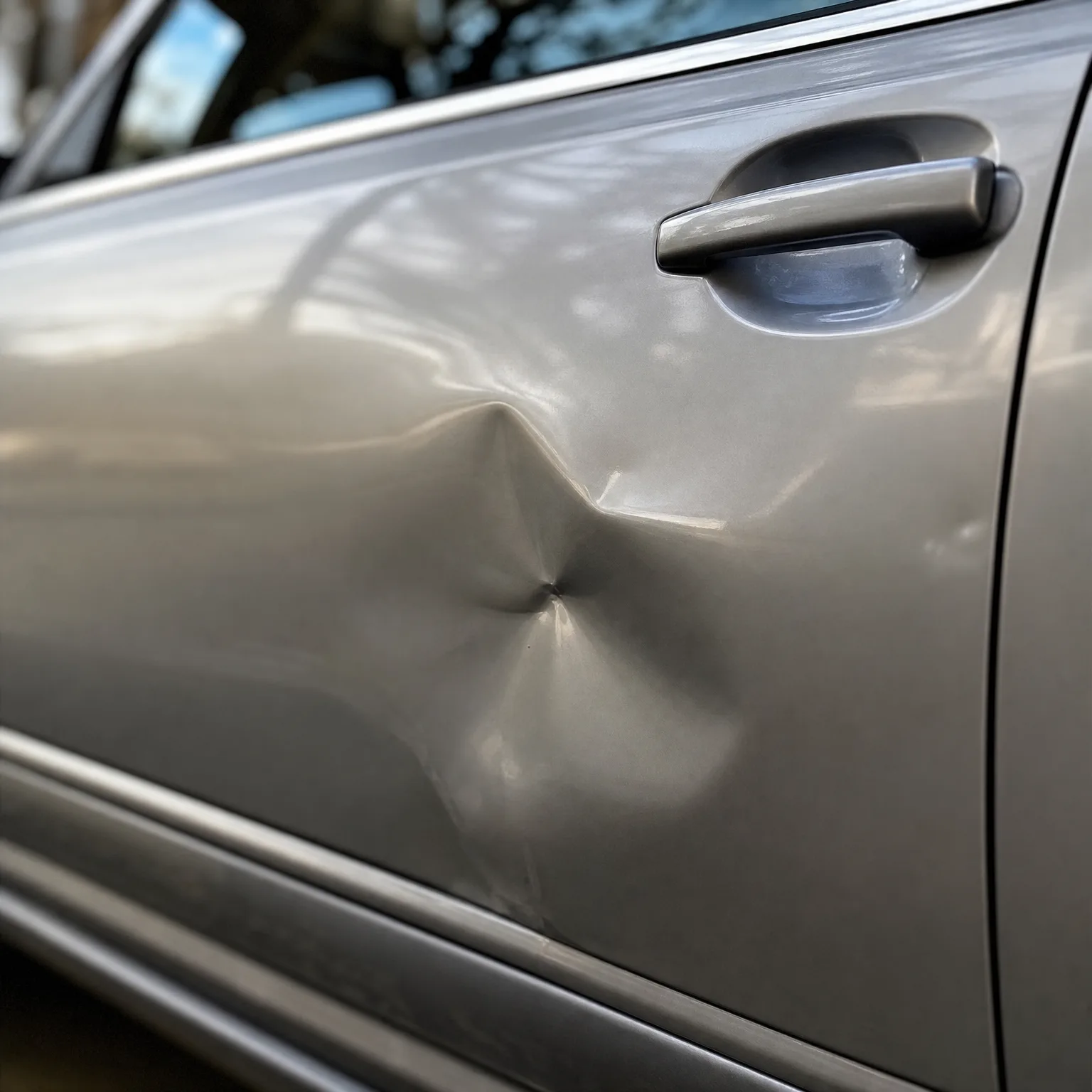
A driver who got rear-ended while waiting for a match
Mara drives a few evenings a week after her day job. One night she had the app open, sitting in a parking lot waiting for a request, when another car backed into her bumper. She wasn't sure which insurance would even apply since she had no passenger and hadn't accepted a trip yet.
She called her personal insurer first, since that felt simplest, but they asked whether the app was on at the time. Once she said yes, they pointed her to the rideshare company's contingent coverage, which exists specifically for this waiting period. It took longer to sort out than an ordinary claim, and the payout was more limited than she expected, but it did apply. Afterward she added a rideshare endorsement to her personal policy so the next claim wouldn't involve as much back and forth.

Whether you tell your insurer you drive for an app
If you do
Your insurer can add rideshare coverage or confirm your policy already fits. Claims go faster because there's no dispute over what you were doing. Your rate may rise a little, but you avoid the risk of a denied claim right when you need help most.
If you don't
Your policy may say you weren't covered if a claim happens while the app was on. Insurers do check trip data after accidents. Depending on your state and insurer, you could also lose the policy entirely once they find out.
Once you know which moments count as rideshare driving, compare quotes that actually cover all of them.
Why the coverage changes depending on what the app is doing
Insurance is priced around risk, and risk changes the moment you turn on a rideshare app. A car sitting in traffic waiting for any fare is a different risk than one driving to a specific address for a confirmed passenger. Insurers split these into phases because the odds of an accident, and who's liable for it, shift at each step.
Your personal policy was priced assuming your trips are personal. The underlying risk calculation doesn't include a stranger paying you to drive them somewhere, so most personal insurers exclude claims that happen during commercial use unless you've added something that accounts for it. This isn't a technicality, it's the actual math the policy was built on.
The rideshare company's coverage exists to fill the parts your personal policy won't touch, but it isn't built to replace your personal policy entirely. It usually steps in hardest once a passenger is confirmed or in the car, and is thinner during the waiting phase. That gap in the waiting phase is exactly where endorsements are designed to help, since they extend your personal policy to cover that window too.
Where this gets inconsistent is state rules and individual insurer policies. Some states require rideshare companies to carry certain minimum coverage during the waiting phase, others don't specify it the same way. Some personal insurers will cancel a policy outright once they learn you drive for an app, others simply decline claims tied to that activity. Check your own state's rules and your insurer's actual policy language, since assuming either one matches what's typical can leave you exposed.

Does occasional or part time driving still count as rideshare?
Yes. How often you drive has no bearing on whether a given moment counts as rideshare. The moment the app is open and you're available for a ride, that trip qualifies the same way it would for someone who drives full time.
Insurers care about what you were doing at the moment of a claim, not your overall schedule. Someone who drives once a month faces the exact same gap during the waiting phase as someone who drives every day. The only difference part time driving might affect is which coverage option makes sense for your budget, since an endorsement priced for occasional use can cost less than one built for a full time schedule. But the underlying coverage question works the same regardless of how often you turn the app on.