Car Damage While Driving for Work
Whether your car damage is covered depends on which app period you were in and whether you added the right coverage beforehand.
Your personal policy steps back the moment you go on duty
Personal auto insurance is written to cover personal use of your car. Most personal policies contain a livery or rideshare exclusion, which means the insurer can deny a claim for any damage that happens while you're logged into the app, even if you never had a passenger. This isn't a technicality insurers invented to avoid paying. It's the basic shape of the contract you agreed to when you bought a personal policy at a personal rate.
The app's insurance is built to fill part of that space, but it changes depending on what you were doing at the moment of the accident. When you're waiting for a request, the app's coverage is thinner, often liability only, which leaves your own car's damage uncovered unless you've added something yourself. Once you accept a request and have a passenger or are heading to one, the app's coverage gets stronger and usually includes damage to your car, but it comes with a deductible that can be steep.
That deductible is where most drivers get caught off guard. The coverage exists, but paying out of pocket before it kicks in can be more than many drivers have on hand. This is also where a rideshare endorsement or a commercial policy earns its cost. An endorsement added to your personal policy keeps your personal coverage active during the waiting period, closing the gap the app doesn't fully cover.
What counts as the waiting period, how deductibles are set, and whether your insurer allows an endorsement at all varies by state and by company. Some insurers won't write rideshare drivers at all once they know, others offer endorsements only in certain states. Check your policy documents and ask your insurer directly what happens during each phase of the app.
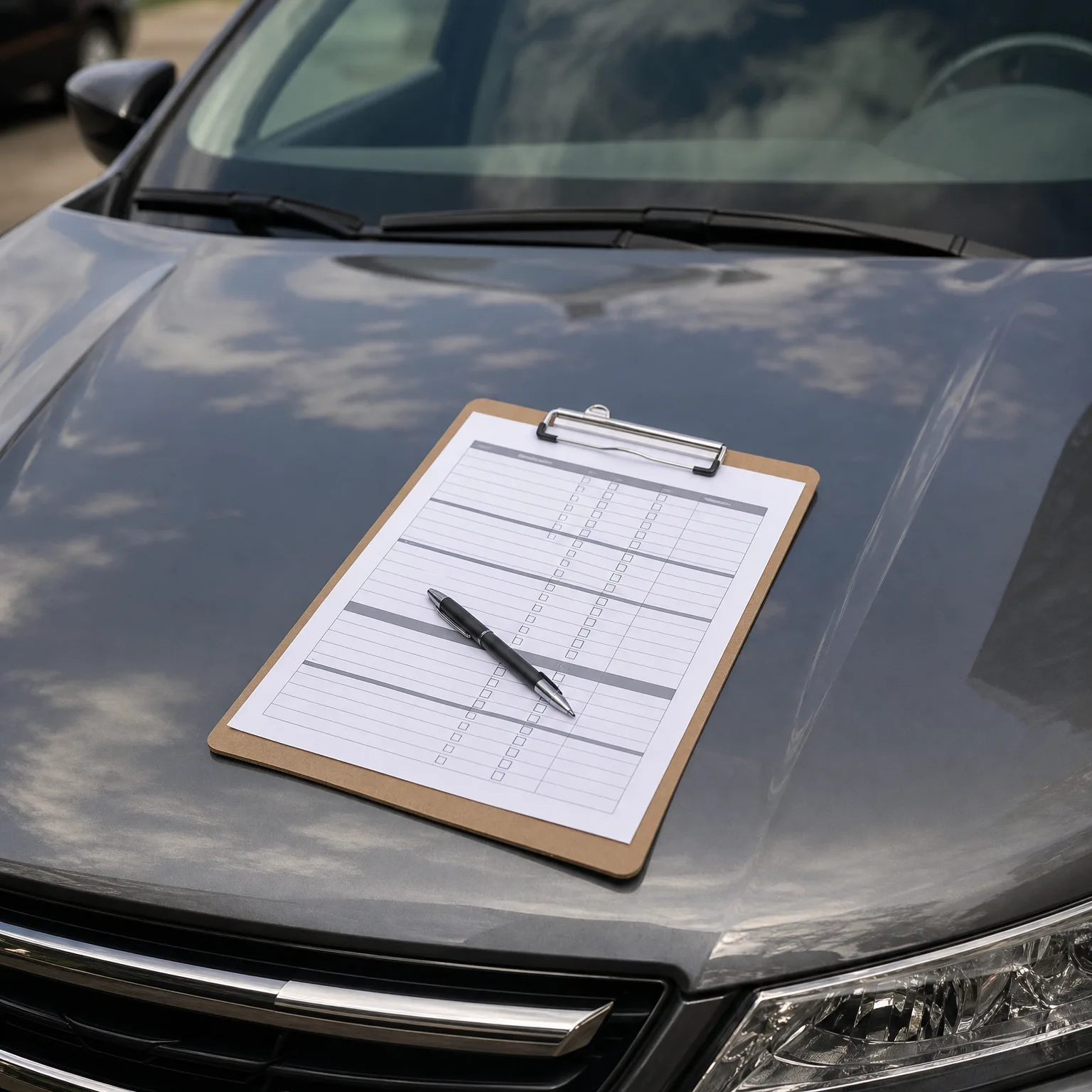
What actually determines whether your car is covered
- Which app period you're in Coverage strength changes the moment you accept a request. Know your app's phases and understand that waiting for a request is the weakest coverage period.
- Your personal policy's exclusion Most personal policies exclude commercial driving entirely. Read your policy or call your insurer to confirm whether rideshare driving voids your coverage.
- Whether you added an endorsement A rideshare endorsement keeps your personal policy active during the gap the app doesn't cover well. Ask your insurer if this is available in your state.
- The app's deductible Even when the app covers your car, you may owe a deductible first. Find that number in the app's policy documents and decide if you could pay it today.
- Telling your insurer you drive Insurers can deny claims or cancel policies if they learn later you were driving commercially. Disclose it upfront so your coverage is actually valid.
A dented fender while waiting for a ride request
A driver was parked near a busy exit with the app on, waiting for a request, when another car backed into her front fender. She assumed the app's insurance would handle it since she was technically working. When she filed a claim, she learned that during the waiting period, the app's policy only covered damage to other people's property and injuries, not damage to her own car. Her personal insurer then denied the claim too, pointing to the rideshare exclusion in her policy.
She ended up paying for the repair herself. Afterward, she called her insurer and added a rideshare endorsement to her personal policy, which cost a modest amount added to her premium. A few months later, a similar incident happened in the same waiting period, and this time her personal policy covered the damage because the endorsement had kept her coverage active. The difference between the two incidents wasn't the accident. It was the piece of paper she added between them.
Once you know which gap you need to close, compare quotes for coverage that protects your car in every phase of a shift.

Adding the right coverage before you need it
If you do
You pay a bit more each month, but your car is covered in every phase of the app, including the waiting period. If something happens, you file one claim with your own insurer, know your deductible in advance, and your policy stays valid because your insurer already knows how you use the car.
If you don't
You save a small amount now, but you're relying entirely on the app's coverage, which is thin or absent while you're waiting for a request. If your car is damaged during that time, you likely pay for repairs yourself, and your insurer could still deny unrelated claims once they learn you drive for the app.
Will my insurer cancel my policy once they find out I drive for a rideshare app?
Some might, but many won't if you tell them upfront and add the right coverage. Insurers typically cancel or deny claims when they discover undisclosed commercial use after the fact, not because driving for an app is automatically disqualifying. Being upfront turns a hidden risk into a disclosed one they can price and cover properly.
Whether your specific insurer offers a path forward depends on the company and your state. Some insurers welcome rideshare drivers and offer endorsements built for it. Others don't write that risk at all and expect you to carry a separate commercial policy instead. Call your insurer directly, tell them exactly how you use the car, and ask what your options are before an accident forces the question.