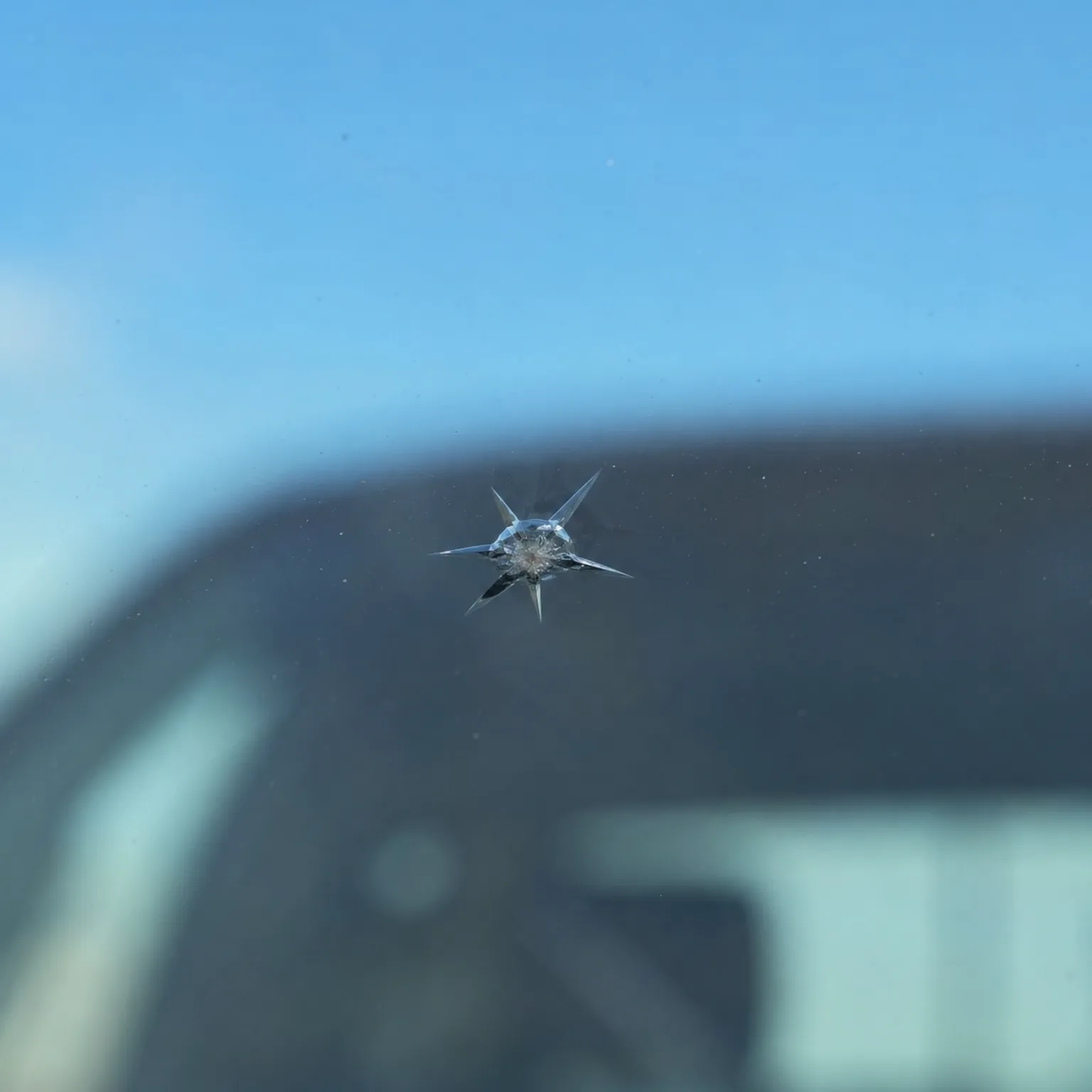
Damage Caused by Passengers
If a passenger damages your car during a trip, the app's coverage is usually where that claim goes, not your personal policy.
The app's commercial coverage is built for exactly this situation
Your personal auto policy almost certainly excludes damage that happens while you're working for a rideshare app. Insurers write that exclusion because personal policies are priced for personal use, and once you accept fares, you're operating commercially in the eyes of your insurer, even in your own car. That's the gap people hear about, and it's real.
Rideshare companies know this, so they carry their own coverage for the time you're logged in and working. It typically applies differently depending on whether you're waiting for a request, en route to pick someone up, or carrying a passenger, and the protection is usually strongest once a trip has actually started. Passenger-caused damage during an active trip is the situation this coverage is most clearly built to handle.
What varies is the deductible attached to that coverage, how claims get processed, and whether your own endorsement or rideshare-specific policy adds anything on top. Some drivers add a hybrid endorsement to their personal policy specifically to lower that deductible or to fill in moments the app's coverage treats thinly. Check your state's rules and your insurer's language, because both affect what you'd actually pay out of pocket.
Where it gets less clear is damage that isn't from an accident, like a passenger spilling something, vomiting, or tearing upholstery. That kind of damage often falls outside collision coverage entirely and may be handled through a separate claims process the app runs itself, sometimes called a damage or cleaning claim rather than an insurance claim.

A passenger damages the interior mid-trip
You're driving a passenger home late at night and they get sick in the back seat. The trip ends normally, you mark yourself unavailable, and you're left with a mess that will cost real money to clean professionally. You take photos immediately, before you touch anything, timestamped and clear, because that documentation is what any claim will hinge on.
You open the app's support or incident reporting tool rather than calling your personal insurer first, since this isn't a collision and your personal policy wouldn't cover it anyway. You submit the photos, the trip details, and a description of what happened. The app reviews it and issues a payment toward cleaning costs based on that documentation. It isn't a lengthy insurance claim, but it only works because you treated it like one and had proof ready before you started cleaning.

Whether you report passenger damage through the app right away
If you do
You create a timestamped record while everything is fresh, which is exactly what claims review and support teams ask for. Photos, trip ID, and a short description give you a real shot at reimbursement or a successful insurance claim if it becomes one. You also protect yourself if the passenger disputes what happened.
If you don't
Once you clean the car, give the next ride, or let time pass, you lose your best evidence. Support teams and insurers can't verify damage they never saw, so claims submitted later are far more likely to be denied or reduced. The cost quietly becomes yours to absorb.
Knowing which coverage responds to passenger damage, you can compare quotes to close the rest of the gap.

What if the app denies my damage claim?
You're not stuck with the app's decision as the final word. If the denial is about physical damage from a collision, you can still pursue it through whatever collision coverage applies during that period of the trip, whether that's the app's insurer or an endorsement you carry. Ask for the denial in writing and the specific reason, since that tells you which path is actually open.
If it's a non-collision damage claim, like stains or a torn seat, and it was denied for lack of documentation, you may be able to resubmit with more evidence if you still have it. If the denial stands and no other coverage applies, the cost may fall to you directly, which is part of why documenting everything immediately matters so much. Check your specific policy and the app's stated process, since appeal options differ by company.
The real question isn't whether a coverage gap exists, it's only how well you've filled it.