Does Commercial Insurance Cover Food Delivery
A true commercial auto policy covers food delivery, but many policies sold as commercial still exclude it, so check the actual wording.
What decides whether you're covered doing delivery runs
- Policy type, not the label A policy called commercial doesn't automatically include delivery. Ask the insurer directly whether food delivery and courier work are covered, not just business use.
- App coverage mid-delivery Most delivery apps carry liability coverage while you're on an active run. Check whether it includes damage to your own car, since many only cover other people.
- The gap before you accept Time spent logged in but waiting for a delivery often falls outside both your personal policy and the app's coverage. Ask specifically how that window is handled.
- Insurer's stance on delivery Many personal insurers exclude any commercial use once they learn about it. Tell your insurer what you're doing before an accident forces the conversation.
- Endorsements for delivery work Some insurers sell an added endorsement for delivery work instead of a full commercial policy. Compare what it includes against a standalone commercial policy before choosing.
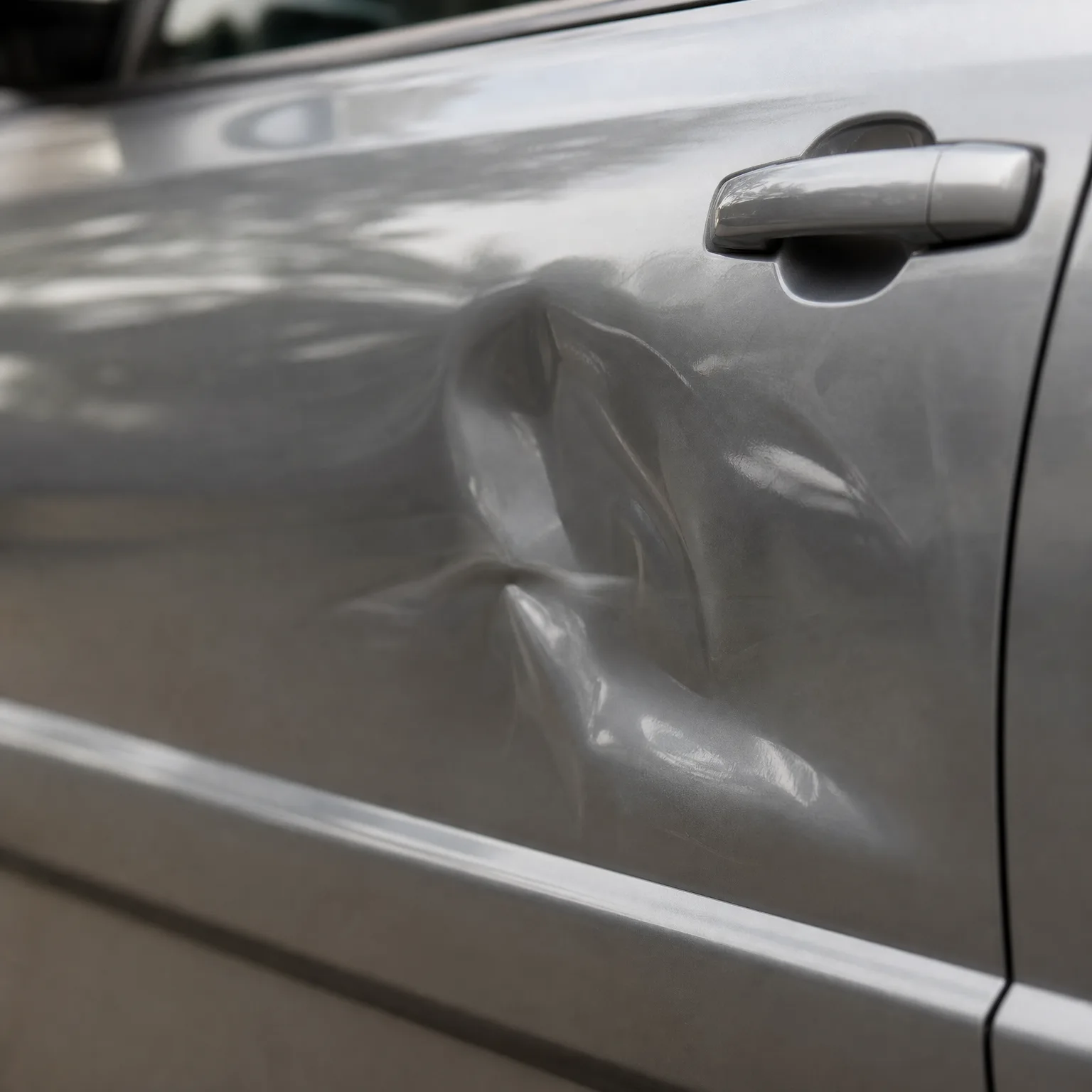
A driver who delivers part time between a day job
A driver used his own car for food delivery a few evenings a week, alongside a full time job elsewhere. He assumed the app's insurance handled everything since he was logged in most of the time he drove. When his car was hit while parked outside a restaurant waiting for an order, he found out the app's policy didn't cover that waiting period at all, and his personal insurer denied the claim once they learned he was delivering for pay.
He called his insurer and asked directly what it would take to be covered doing this work. They offered an endorsement built for delivery drivers instead of a full commercial policy, since he was still part time and using the car for personal trips most of the week. It cost him more each month, but it closed the exact gap that had caused his denied claim. He kept delivering, this time with a policy that matched what he was actually doing.

Telling your insurer you deliver for pay
If you do
Your insurer prices your policy around what you actually do, so claims get paid. You might pay more, but you find out before an accident, not after. You can also ask directly whether you need an endorsement or a full commercial policy for your situation.
If you don't
Your policy stays priced for personal use only. If you're in an accident while delivering, your insurer can investigate, discover the app activity, and deny the claim entirely, leaving you to cover damage and injuries out of pocket.
Once you know what coverage your delivery work actually needs, compare quotes built around that, not around guesswork.
Why delivery work falls through the cracks so often
Personal auto policies are priced on the assumption that you drive for your own errands and commuting, not for pay. The moment money changes hands for a trip, insurers treat that as a different kind of risk, because delivery driving means more time on the road, more stops, and more exposure to accidents. That's why personal policies routinely exclude commercial use, even if the insurer never explicitly discussed delivery work with you when you signed up.
Delivery apps know this gap exists, so they carry their own liability coverage, but it's usually built to apply only while you're actively on a delivery, picking up or dropping off an order. The time spent waiting for a request, sometimes called the gap period, is the part most often left uncovered by both sides. Some states require apps to carry at least limited coverage during this waiting period, so check what your state requires and what the app actually provides there.
A true commercial auto policy is priced around the idea that driving for pay is your main use of the car, so it covers delivery work without the exclusions a personal policy carries. But not everything labeled commercial is the same. Some business policies are built for other kinds of commercial use, like transporting goods on a fixed schedule, and still exclude gig style delivery work. You have to ask specifically about app based delivery, not just commercial use in general.
For many part time delivery drivers, a full commercial policy is more coverage, and more cost, than they need. An endorsement added to a personal policy can close the specific gaps delivery work creates without the full price of a commercial policy. Which option fits depends on how often you deliver, what the app covers, and what your state requires insurers to disclose.
Do I need commercial insurance if I only deliver a few hours a week?
Not necessarily. Many part time delivery drivers are better served by an endorsement added to their personal policy rather than a full commercial policy, since a full commercial policy is priced around delivery being your primary use of the car.
The right choice depends on how many hours you drive, whether you also use the app as your main income, and what gaps are left by the app's own coverage during waiting periods. Call your insurer, describe exactly how often and how you deliver, and ask what they recommend. Some will offer an endorsement built specifically for this use, others will only offer a full commercial policy, and that difference alone can change which option makes sense for you.